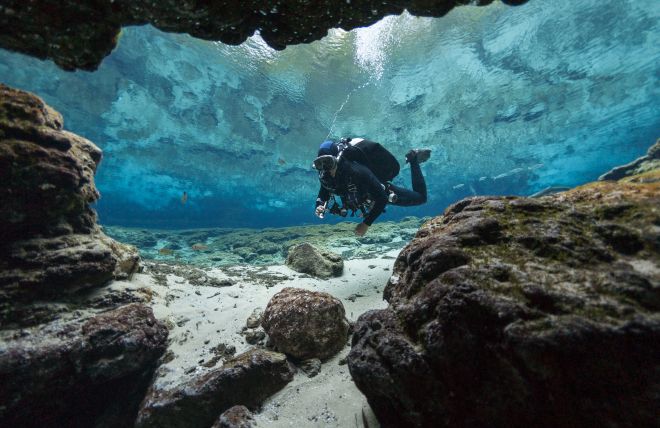
Eco-Tourism Options in the Florida Keys: A Sustainable Adventure

Key Largo: Gateway to Marine Conservation
1. John Pennekamp Coral Reef State Park
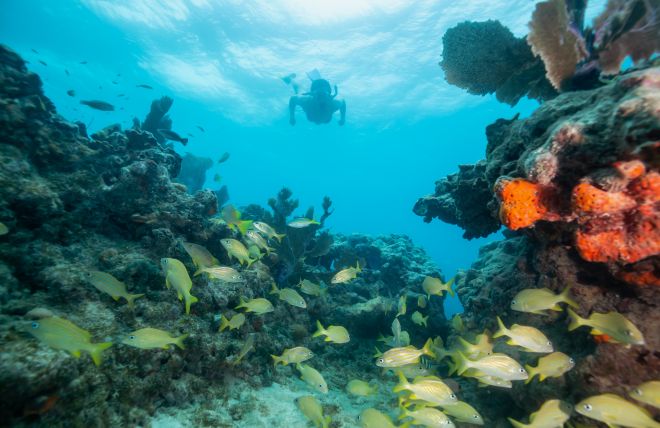
- Description: As the first undersea park in the United States, John Pennekamp Coral Reef State Park is a haven for marine enthusiasts. The park spans 70 nautical square miles and is famous for its coral reefs and abundant marine life.
- Eco-Tourism Activities: Snorkeling, scuba diving, glass-bottom boat tours, kayaking, and eco-tours.
- Sustainability Efforts: The park is dedicated to preserving marine ecosystems through education and conservation efforts. Visitors are encouraged to follow guidelines that protect coral reefs and marine life.
2. Coral Restoration Foundation
- Description: The Coral Restoration Foundation is a nonprofit organization focused on restoring coral reefs through active restoration programs and education.
- Eco-Tourism Activities: Participate in coral restoration dives, educational programs, and guided tours of the coral nurseries.
- Sustainability Efforts: The foundation works to restore coral populations, promote sustainable diving practices, and raise awareness about the importance of coral reefs.
3. Florida Keys Wild Bird Rehabilitation Center
- Description: Located in Tavernier, just south of Key Largo, this center is dedicated to rescuing, rehabilitating, and releasing injured birds.
- Eco-Tourism Activities: Guided tours, bird-watching, and educational programs about native bird species and conservation efforts.
- Sustainability Efforts: The center focuses on the rehabilitation and release of native birds and promotes habitat conservation and environmental education.
Islamorada: The Village of Islands
4. Florida Keys History and Discovery Center
- Description: This museum offers exhibits on the natural and cultural history of the Florida Keys, emphasizing conservation and environmental stewardship.
- Eco-Tourism Activities: Educational exhibits, guided tours, and interactive displays about the local ecosystem and conservation efforts.
- Sustainability Efforts: The center promotes environmental education and awareness through its exhibits and programs.
5. Robbie's Marina
- Description: Known for its tarpon feeding, Robbie's Marina also offers eco-tours and water activities that allow visitors to explore the natural beauty of the Keys.
- Eco-Tourism Activities: Kayaking, paddleboarding, and eco-tours through the mangroves and coastal waters.
- Sustainability Efforts: The marina emphasizes responsible wildlife interaction and promotes sustainable tourism practices.
Marathon: Heart of the Keys
6. Dolphin Research Center
- Description: A nonprofit organization dedicated to the study and care of marine mammals, the Dolphin Research Center offers educational programs and interactive experiences.
- Eco-Tourism Activities: Dolphin encounters, educational tours, and programs focused on marine conservation and research.
- Sustainability Efforts: The center promotes marine conservation through research, education, and the rescue and rehabilitation of marine mammals.
7. Turtle Hospital
- Description: The Turtle Hospital in Marathon is dedicated to the rescue, rehabilitation, and release of injured sea turtles.
- Eco-Tourism Activities: Guided tours of the hospital facilities, educational presentations, and opportunities to see rescued sea turtles up close.
- Sustainability Efforts: The hospital focuses on sea turtle conservation and promotes awareness about the threats facing these endangered species.
8. Crane Point Hammock
- Description: This 63-acre nature reserve and historic site offers a unique blend of natural beauty and cultural history.
- Eco-Tourism Activities: Nature trails, bird-watching, a butterfly garden, and educational programs about the local ecosystem.
- Sustainability Efforts: Crane Point Hammock promotes environmental conservation and education through its preservation of native habitats and wildlife.
Big Pine Key and the Lower Keys: Natural Wonders
9. National Key Deer Refuge
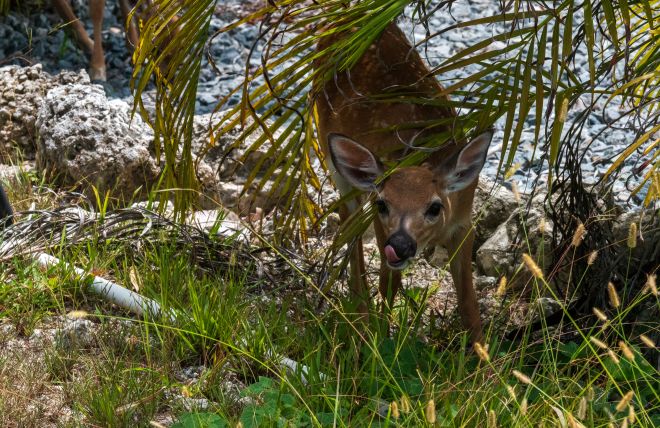
- Description: This refuge is home to the endangered Key deer and other native wildlife, offering visitors a chance to explore the natural beauty of the Lower Keys.
- Eco-Tourism Activities: Hiking, wildlife observation, and guided tours focused on the ecology and conservation of the refuge.
- Sustainability Efforts: The refuge promotes habitat conservation and the protection of endangered species through education and stewardship programs.
10. Bahia Honda State Park
- Description: Known for its beautiful beaches and clear waters, Bahia Honda State Park offers a variety of eco-friendly activities.
- Eco-Tourism Activities: Snorkeling, kayaking, hiking, and guided nature tours.
- Sustainability Efforts: The park emphasizes the preservation of natural habitats and marine ecosystems through its educational programs and sustainable tourism practices.
11. Looe Key National Marine Sanctuary
- Description: This marine sanctuary is renowned for its pristine coral reefs and abundant marine life, making it a popular destination for divers and snorkelers.
- Eco-Tourism Activities: Snorkeling, scuba diving, and guided eco-tours.
- Sustainability Efforts: The sanctuary is dedicated to protecting marine habitats and promoting sustainable diving practices.
Key West: The Southernmost Eco-Destination
12. Fort Zachary Taylor Historic State Park
- Description: This historic state park combines history with natural beauty, offering eco-friendly activities alongside its historic fort.
- Eco-Tourism Activities: Snorkeling, hiking, bird-watching, and guided tours of the historic fort and surrounding natural areas.
- Sustainability Efforts: The park promotes conservation and environmental education through its preservation of historic sites and natural habitats.
13. Key West Butterfly and Nature Conservatory
- Description: This tropical conservatory is home to hundreds of butterflies and exotic birds, offering a serene and educational experience.
- Eco-Tourism Activities: Guided tours, educational programs, and opportunities to observe butterflies and birds in their natural habitats.
- Sustainability Efforts: The conservatory focuses on the conservation of butterfly species and promotes environmental education.
14. Key West Eco Tours
- Description: This tour company offers a variety of eco-friendly activities that allow visitors to explore the natural beauty of Key West and the surrounding waters.
- Eco-Tourism Activities: Kayaking, paddleboarding, snorkeling, and guided eco-tours through mangroves and coastal ecosystems.
- Sustainability Efforts: Key West Eco Tours emphasizes responsible tourism practices and environmental stewardship through its guided tours and educational programs.
15. Dry Tortugas National Park
- Description: Accessible only by boat or seaplane, this remote national park is known for its pristine coral reefs, historic Fort Jefferson, and abundant marine life.
- Eco-Tourism Activities: Snorkeling, diving, bird-watching, and guided tours of Fort Jefferson and the surrounding marine habitats.
- Sustainability Efforts: The park promotes the conservation of marine ecosystems and historic sites through its educational programs and sustainable tourism practices.
Tips for Responsible Eco-Tourism in the Florida Keys
1. Follow Leave No Trace Principles
- Description: Adhering to Leave No Trace principles helps minimize your impact on the environment.
- Tips:
- Pack out all trash and dispose of it properly.
- Stay on designated trails to avoid damaging vegetation.
- Respect wildlife by observing from a distance and not feeding animals.
2. Support Local Conservation Efforts
- Description: Many eco-tourism activities in the Keys support local conservation projects.
- Tips:
- Participate in volunteer programs and conservation activities.
- Donate to local conservation organizations and initiatives.
- Choose eco-friendly tours and accommodations that prioritize sustainability.
3. Use Eco-Friendly Products
- Description: Using environmentally friendly products helps reduce pollution and protect natural habitats.
- Tips:
- Use reef-safe sunscreen to protect coral reefs from harmful chemicals.
- Opt for reusable water bottles, bags, and containers to reduce plastic waste.
- Choose biodegradable and non-toxic personal care products.
4. Educate Yourself and Others
- Description: Learning about the local ecosystem and conservation efforts can enhance your eco-tourism experience.
- Tips:
- Attend educational programs and guided tours to learn about the environment.
- Share your knowledge and experiences with others to raise awareness about conservation.
- Follow guidelines and recommendations provided by local environmental organizations.
Conclusion
Eco-tourism in the Florida Keys offers a unique opportunity to explore and appreciate the natural beauty and biodiversity of this tropical paradise while supporting conservation efforts and promoting sustainability. From snorkeling in pristine coral reefs and kayaking through mangroves to learning about marine conservation and observing wildlife, the Keys provide a wealth of eco-friendly activities that cater to every interest. By following responsible tourism practices and supporting local conservation initiatives, you can enjoy a memorable and meaningful adventure in the Florida Keys that helps preserve this incredible destination for future generations.